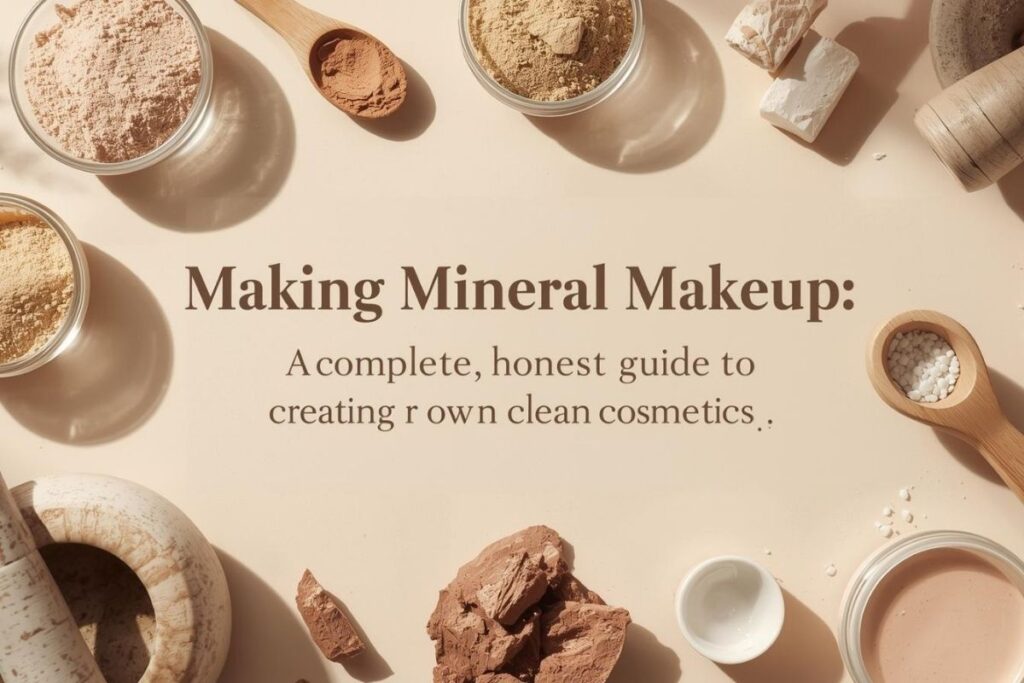
Making mineral makeup has become more than just a beauty trend. For many people, it is a conscious shift toward cleaner ingredients, skin-friendly formulas, and greater control over what touches their face every day. As consumers grow more aware of cosmetic safety, transparency, and sustainability, the interest in making mineral makeup at home continues to rise steadily.
This guide is written to help beginners and curious beauty enthusiasts understand the full process of making mineral makeup. It explains what mineral makeup truly is, why people choose to make it themselves, how the ingredients work, and what realistic results to expect. The goal is not to oversell DIY beauty but to offer an honest, practical, and trustworthy resource aligned with real search intent.
Understanding What Mineral Makeup Really Is
Before diving into making mineral makeup, it is important to understand what sets it apart from conventional cosmetics. Mineral makeup is primarily made from naturally occurring minerals that are finely milled into powders. These minerals are chosen for their stability, skin compatibility, and ability to provide coverage without clogging pores.
Traditional makeup often relies on fillers, preservatives, fragrances, and synthetic dyes. Mineral makeup, when properly formulated, avoids many of these ingredients. This is one reason people with sensitive skin, acne, or rosacea often explore making mineral makeup as an alternative to store-bought products.
Many first-time users are surprised by how lightweight mineral makeup feels on the skin. Instead of masking imperfections, it tends to sit softly on the face, allowing skin texture to remain visible while still evening out tone.
Why More People Are Choosing to Make Mineral Makeup at Home
Both practical and emotional reasons drive the rise of making mineral makeup at home. Cost is often an initial motivation. While high-quality mineral makeup brands can be expensive, raw ingredients used in DIY formulations last a long time when used correctly.
Another strong reason is customization. Skin tones, undertones, and sensitivities vary widely. When making mineral makeup yourself, you can adjust shade depth, warmth, and coverage gradually. Many people who struggled to find their exact shade commercially say that making mineral makeup was the first time their foundation truly matched their skin.
There is also a sense of trust that comes with DIY cosmetics. Knowing every ingredient in your product often brings peace of mind, especially for those who have experienced reactions to commercial makeup in the past.
The Core Ingredients Used in Making Mineral Makeup
Making mineral makeup does not require an overwhelming number of ingredients, but each one plays a specific role. Understanding these roles helps beginners avoid common mistakes and unrealistic expectations.
The base of most mineral makeup formulas is mica, particularly sericite mica. This ingredient gives the powder its silky texture and helps it blend smoothly into the skin. Without it, mineral makeup can feel chalky or uneven.
Zinc oxide and titanium dioxide are commonly used for coverage. Zinc oxide is also known for its calming properties, which is why many people with acne-prone skin prefer mineral formulas. Titanium dioxide contributes opacity, helping to conceal redness and discoloration.
Iron oxides provide color. These pigments are responsible for creating different skin tones by balancing red, yellow, and black hues. In making mineral makeup, these pigments are added slowly, allowing precise control over the final shade.
The Real Learning Curve of Making Mineral Makeup
Many online tutorials make mineral makeup look quick and effortless. In reality, there is a learning curve, especially when it comes to shade matching. Most beginners need several attempts before achieving a shade they truly love.
One common experience shared by DIY users is initial frustration. A foundation might look perfect in the jar, but appear too yellow or too dark once applied. This is normal and part of the learning process. With practice, adjusting pigment ratios becomes intuitive.
Another learning point is texture. Early batches may feel too dry or too heavy on the skin. Over time, people learn how subtle changes in ingredient ratios affect wear, finish, and comfort.
Safety Considerations When Making Mineral Makeup
Safety is a crucial aspect of making mineral makeup that should never be overlooked. Mineral powders are extremely fine and can be harmful if inhaled regularly. Wearing a mask while blending powders is strongly recommended, especially when using a coffee grinder or similar tool.
Using only cosmetic-grade ingredients is essential. Craft or industrial pigments may look similar, but are not tested for skin safety. Reputable suppliers clearly label their materials for cosmetic use, which helps reduce risk.
People with allergies or sensitive skin should always patch test their homemade mineral makeup. Even natural ingredients can cause reactions, and testing ensures a safer experience.
Making Mineral Makeup for Different Skin Types
One of the greatest advantages of making mineral makeup is the ability to tailor formulas to your skin’s needs. Oily skin often benefits from slightly higher zinc oxide content, which helps control shine throughout the day.
Dry skin, on the other hand, may need a higher proportion of mica to improve slip and prevent a tight feeling. Many DIY users report that adjusting the base ingredients made mineral makeup more comfortable than any store-bought alternative they had tried.
Sensitive skin users often appreciate the simplicity of homemade mineral makeup. With fewer ingredients, it becomes easier to identify what works and what does not.
Honest Results: What Making Mineral Makeup Can and Cannot Do
It is important to approach making mineral makeup with realistic expectations. Mineral makeup generally provides light to medium coverage. While it can be layered, it does not behave like heavy liquid foundations designed for full concealment.
Many users describe the finish as natural rather than flawless. Skin texture remains visible, and freckles are not completely hidden. For most people, this is a positive outcome, as it creates a more skin-like appearance.
Longevity can vary depending on skin type and climate. Some users find that homemade mineral makeup lasts all day, while others need minor touch-ups. Learning how your formula performs is part of the DIY experience.
The Emotional Side of Making Mineral Makeup
Beyond practicality, making mineral makeup often creates a deeper connection with beauty routines. Many people describe a sense of satisfaction when using something they created themselves. It transforms makeup application into a mindful ritual rather than a rushed habit.
Some users also report feeling more confident knowing they are not relying on marketing claims or vague ingredient lists. This sense of control can be empowering, especially for those who previously felt overwhelmed by cosmetic choices.
Making mineral makeup can also foster creativity. Experimenting with blush shades, bronzers, or eyeshadows allows people to express their personal style without pressure.
Cost and Value Over Time
While there is an initial investment in ingredients and tools, making mineral makeup often becomes cost-effective over time. A small jar of iron oxides can last for dozens of batches, making the cost per product very low.
Many long-term DIY users mention that they stopped impulse-buying makeup altogether. Once they found formulas that worked, there was less temptation to try new products unnecessarily.
However, value should not be measured only financially. The knowledge gained through making mineral makeup is often cited as equally important.
Common Mistakes Beginners Make When Making Mineral Makeup
One of the most common mistakes is adding too much pigment too quickly. Iron oxides are highly concentrated, and even a tiny amount can drastically alter the shade. Patience is key.
Another mistake is expecting immediate perfection. Making mineral makeup is a skill that improves with experience. Accepting early imperfections helps maintain motivation and enjoyment.
Improper blending is also a frequent issue. Uneven mixing can result in streaky application. Taking time to blend thoroughly improves both performance and appearance.
Is Making Mineral Makeup Right for Everyone?
Making mineral makeup is not for everyone, and acknowledging this is part of being honest. People who prefer quick, ready-to-use products may find DIY too time-consuming.
Those who enjoy experimenting, learning, and personalizing their beauty routine are more likely to appreciate the process. Making mineral makeup suits individuals who value ingredient transparency and customization over convenience.
Understanding your own preferences helps determine whether DIY mineral makeup is a rewarding choice or not.
The Growing Future of Making Mineral Makeup
Interest in making mineral makeup continues to grow as clean beauty becomes more mainstream. Online communities, educational content, and ingredient accessibility have made DIY cosmetics more approachable than ever.
Many small indie brands started with personal experiments in making mineral makeup at home. This shows how DIY knowledge can evolve into professional opportunities for those interested in entrepreneurship.
As consumers demand more transparency, the skills learned through making mineral makeup may become increasingly valuable.
Final Thoughts on Making Mineral Makeup
Making mineral makeup is both a practical skill and a personal journey. It offers customization, transparency, and a deeper understanding of cosmetic ingredients. While it requires patience and experimentation, many people find the process rewarding and empowering.
For those willing to learn, making mineral makeup can transform the way beauty products are viewed and used. It encourages mindful consumption, creative expression, and informed choices.
Whether you choose to fully commit to DIY or simply experiment out of curiosity, making mineral makeup provides valuable insight into what truly goes into the products we apply to our skin every day.
FAQs
What is mineral makeup made of?
Mineral makeup is made from finely milled natural minerals like mica, zinc oxide, titanium dioxide, and iron oxides that provide coverage and color without harsh additives.
Why do people prefer making mineral makeup at home?
Making mineral makeup at home allows full control over ingredients, better shade customization, and greater trust for people with sensitive or problem-prone skin.
Is making mineral makeup safe for beginners?
Yes, making mineral makeup is safe when cosmetic-grade ingredients are used, and basic precautions like wearing a mask and patch testing are followed.
Does homemade mineral makeup provide full coverage?
Homemade mineral makeup usually offers light to medium coverage and creates a natural finish rather than heavy, full-concealment results.
How long does homemade mineral makeup last on the skin?
Longevity depends on skin type and formulation, but many users find it lasts most of the day with minimal touch-ups.
Can making mineral makeup help sensitive or acne-prone skin?
Yes, many people with sensitive or acne-prone skin prefer mineral makeup because it avoids fragrances and unnecessary irritants.
Is making mineral makeup cost-effective in the long run?
Although there is an initial investment, making mineral makeup becomes affordable over time since the ingredients last for many batches.
What is the biggest challenge in making mineral makeup?
Shade matching is the most common challenge, as pigments are highly concentrated and require patience and practice to balance correctly.