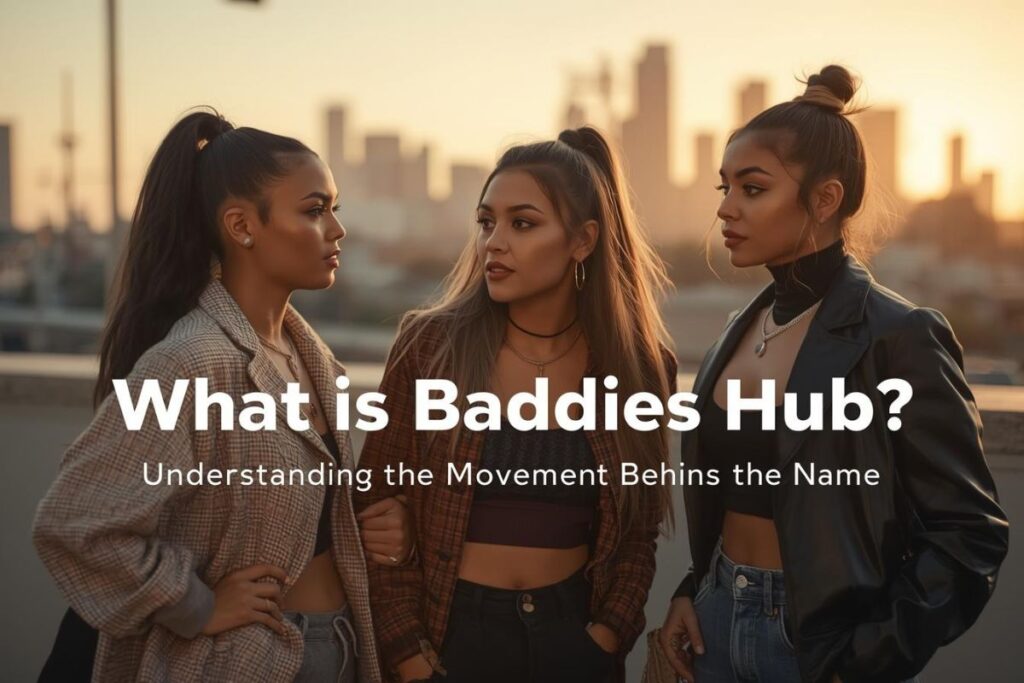
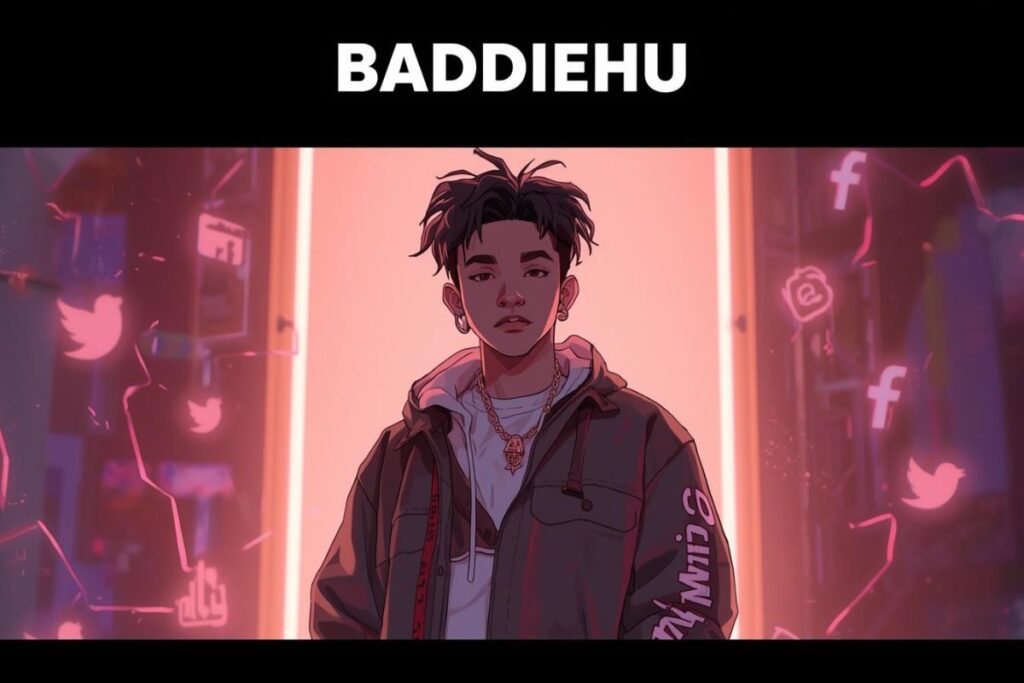
The internet constantly creates new words, identities, and aesthetics. Some disappear quickly, while others quietly grow into cultural signals that reflect how people see themselves online. One of those emerging terms is baddiehu.
While it may not yet appear in traditional dictionaries, baddie has gained attention across social platforms, lifestyle blogs, and online communities that focus on confidence, fashion, and digital identity.
Baddiehs is not a single product, app, or rigid definition. It represents a developing online concept shaped by users, creators, and evolving internet culture.
Understanding baddieshun means looking beyond surface-level aesthetics and exploring how people express confidence, individuality, and modern self-image in digital spaces. This article breaks down what ‘baddie’ means, where it originated, how it is used today, and why it resonates with so many people.
What Does Baddiehu Mean?
Baddiehu is a modern internet term derived from the word “baddie,” which has long been associated with confidence, bold style, and strong online presence. The addition of “hu” does not have a fixed linguistic meaning, but within digital culture, it suggests expansion, variation, or personalization.
Rather than defining a strict look or behavior, baddiehu reflects a broader mindset. It blends confidence with flexibility. People who relate to baddie often embrace bold self-expression while rejecting the pressure to fit into a single aesthetic box.
Unlike older baddie trends that emphasized perfection and highly curated visuals, baddie leans toward individuality. It allows room for experimentation, cultural influence, and personal interpretation.
The Evolution from Baddie to Baddiehu
The Original Baddie Era
The “baddie” aesthetic gained popularity through Instagram during the mid-2010s. It was defined by flawless makeup, styled hair, fashionable outfits, and a confident attitude. Many influencers built their brands around this image, and it quickly became aspirational.
However, as the trend grew, it also became repetitive. The same poses, makeup looks, and outfits appeared again and again. For some users, the pressure to maintain a perfect image became exhausting.
Why Baddiehu Emerged
Baddieh emerged as a response to that rigidity. It kept the confidence of the baddie identity but removed the strict rules. Instead of chasing perfection, baddie encourages expression that feels personal and natural.
People started using the term to describe content that still felt bold and stylish but more relaxed and real. This shift aligned with a broader movement on social media toward authenticity and individuality.
Baddiehu as a Digital Identity
Baddies hub is best understood as a digital identity, not just a fashion style. It represents how people choose to show up online.
Confidence Without Perfection
One of the defining traits of baddieh is confidence without needing to appear flawless. Users share content that may include casual outfits, minimal makeup days, or unfiltered moments while still projecting self-assurance.
This approach feels more accessible to many people. It suggests that confidence is not something you perform for others, but something you carry naturally.
Freedom of Expression
Baddehu does not limit itself to one fashion trend or beauty standard. Some people associate it with streetwear, others with vintage fashion, while others see it as a blend of cultural and traditional influences incorporated into modern looks. This freedom allows users to experiment without fear of doing it “wrong.”
How Baddiehu Shows Up on Social Media
TikTok and Short-Form Content
TikTok plays a major role in spreading the baddehu concept. Short videos featuring outfit transitions, daily routines, and casual confidence fit perfectly with the relaxed but bold tone of baddie.Creators often use baddie as a caption or hashtag to signal a specific vibe rather than a specific look.
Instagram and Visual Storytelling
On Instagram, badiehu’s content appears in photo dumps, reels, and stories. The focus is less on perfectly edited feeds and more on storytelling. A mix of posed and candid photos helps reflect authenticity.This shift mirrors how users increasingly value personality over polish.
Baddiehu and Modern Fashion Culture
Badiehu does not reject fashion. Instead, it reframes how fashion is used. Rather than dressing to impress an algorithm, people dress to reflect mood, culture, and identity.
Some days that means bold outfits. Other days, it means comfort with confidence. This mindset aligns with slow fashion and personal styling, where clothing becomes a form of communication rather than validation.
Cultural Influence and Global Expression
One of the strongest aspects of badiehu is how it allows cultural expression. Many users incorporate elements from their heritage, such as traditional fabrics, jewelry, or hairstyles, alongside modern fashion.
This blending creates a more inclusive and global aesthetic. It also challenges narrow beauty standards that dominated earlier trends. Baddie does not belong to one culture, gender, or background. That openness is part of its appeal.
Baddiehu vs Traditional Baddie Culture
The difference between badiehu and traditional baddie culture is subtle but important. Traditional baddie culture often focused on external validation. Likes, comments, and visual perfection played a central role.
Baddie shifts the focus inward. It values self-comfort and authenticity just as much as appearance. While both share confidence as a core trait, baddie feels less performative and more personal.
Real User Thoughts on Baddiehu
Many users describe badiehu as refreshing. One creator shared that adopting the baddie mindset helped them stop comparing themselves to influencers with unrealistic lifestyles.
They felt more confident posting content that reflected their real life instead of an idealized version. Another user mentioned that Badiehu allowed them to reconnect with fashion after feeling burned out by trends.
Mixing old clothes with new styles made dressing fun again. These experiences highlight why baddie resonates. It removes pressure and restores creativity.
Is Baddiehu a Brand or a Platform?
This is a common question. Baddiehu is not officially a single brand, app, or company. It is a cultural term used across platforms and communities.
Some websites and pages may use similar names, but the core meaning of baddie exists independently of any one platform. It functions more like a shared language or vibe than a product. Understanding this distinction helps avoid confusion and unrealistic expectations.
Misconceptions Around Baddiehu
Because the name sounds similar to other online terms, baddiehu is sometimes misunderstood. It is not inherently linked to adult content, paid platforms, or explicit material.
While the word “baddie” can be misused in some contexts, baddie as a cultural idea focuses on confidence and identity, not explicit behavior. As with any internet term, context matters. The meaning comes from how people use it, not assumptions.
Why Baddiehu Matters in Today’s Digital Culture
Baddiehu reflects a larger shift happening online. People are moving away from rigid online personas and toward more fluid identities. Social media users increasingly want to feel seen rather than judged. Baddie provides language for that desire.
It says you can be confident without being perfect, stylish without being trendy, and visible without being fake. This balance is especially important in a time when burnout from social media is common.
The Future of Baddiehu
Baddiehu is still evolving. Like most internet-driven concepts, it will change as new voices shape it. However, its core values of authenticity, confidence, and self-expression are unlikely to disappear.
These values align with long-term cultural shifts toward individuality and mental well-being. Whether the term itself remains popular or transforms into something new, the mindset behind baddie will likely continue influencing digital identity.
Final Thoughts
Baddiehu represents a shift in how people define confidence and self-expression online. Rather than following rigid trends or chasing perfection, baddiehu encourages individuality, comfort, and authenticity.
It allows people to present themselves in ways that feel genuine, without needing approval from algorithms or unrealistic beauty standards. As a growing digital identity, badiehu’s reflects modern internet culture where style, personality, and confidence are deeply personal.
It is not limited to a single look, platform, or audience. Instead, it evolves with the people who use it. For many, baddie is less about how you look and more about how confidently and honestly you show up.
FAQ’s
What is baddiehu in simple terms?
Baddiehu is a modern internet term that describes a confident and expressive digital identity. It builds on the idea of a “baddie” but focuses more on authenticity, flexibility, and personal style rather than perfection or strict aesthetics.
Is baddiehu a brand or a website?
No, baddiehu is not officially a brand, company, or single website. It is a cultural term used across social media and online communities to describe a certain mindset and style of self-expression.
How is baddiehu different from the baddie aesthetic?
The traditional baddie aesthetic often emphasizes flawless looks and curated content. Baddiehu keeps the confidence but removes the pressure. It encourages individuality, real moments, and freedom in how someone presents themselves online.
Who can identify with baddiehu?
Anyone can relate to baddiehu. It is not limited by gender, age, or background. The concept is open to anyone who values confidence, creativity, and expressing their personality without following rigid trends.
Is baddiehu connected to adult or explicit content?
No, baddiehu as a cultural concept is not inherently linked to adult or explicit content. It focuses on confidence, style, and identity. Any association with unrelated content comes from name similarities, not the meaning of baddiehu itself.
Why is baddiehu becoming popular?
Baddiehu is gaining attention because many people are moving away from unrealistic online standards. It resonates with users who want to feel confident while staying authentic, making it a natural fit for today’s evolving digital culture.